The Crown, the Brick and the River
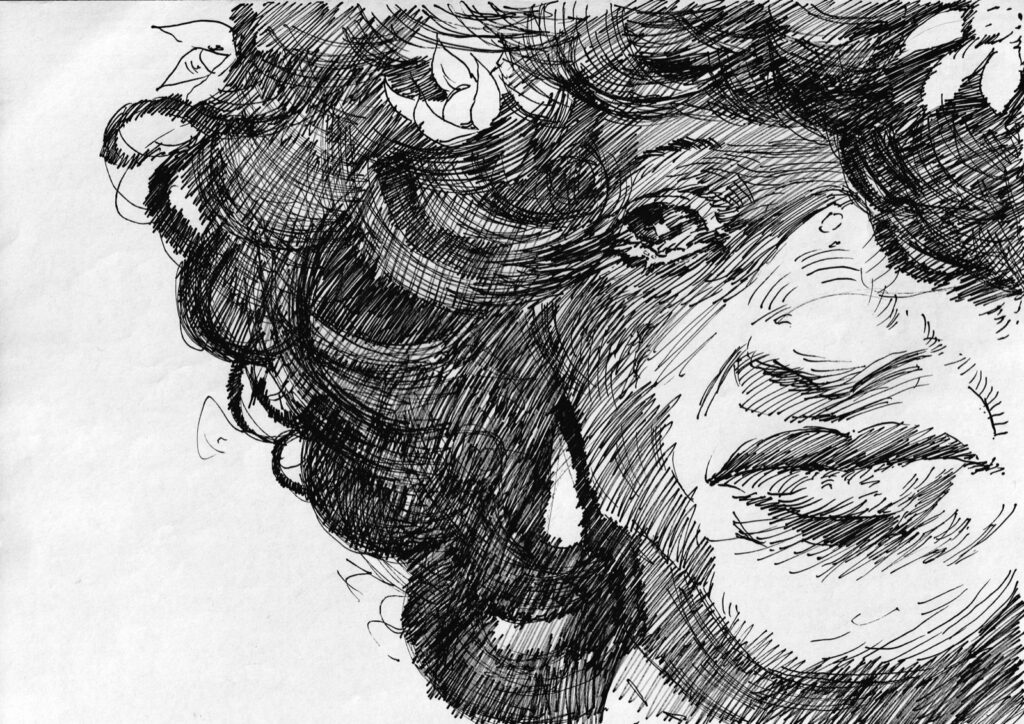
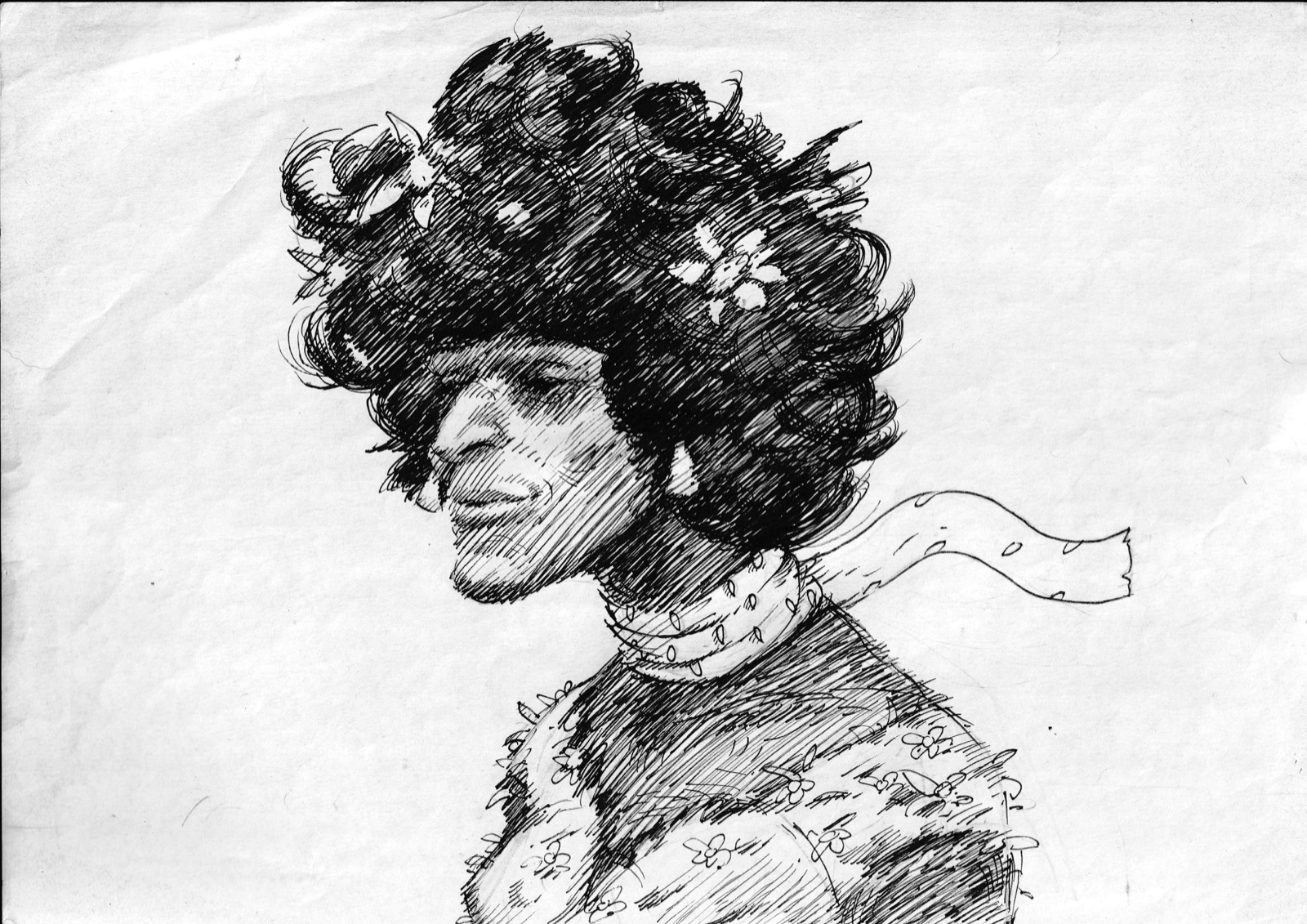
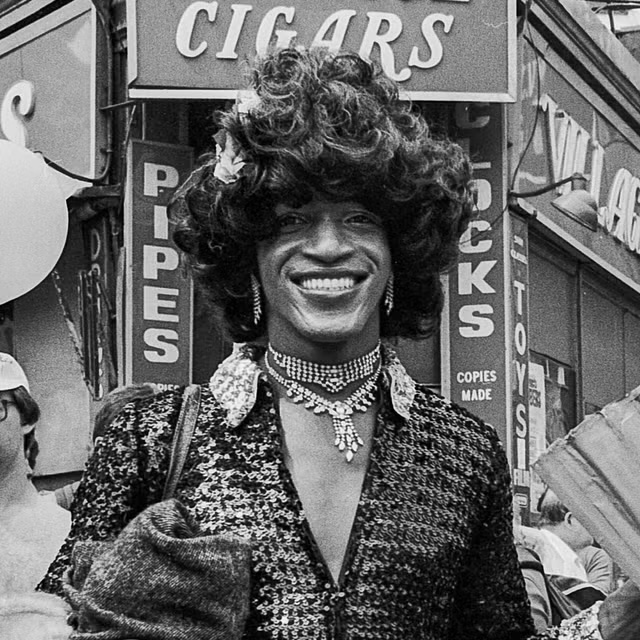
First there was the crown. Marsha P. Johnson wore flowers in her hair like a crown, not to be looked at, but because the world owed her at least that much beauty.
She was born on 24 August 1945 in Elizabeth, New Jersey. At seventeen she left for New York with fifteen dollars and a bag of clothes. There she became herself. When people asked what the “P” in her name stood for, she would answer: Pay It No Mind. That was how she waved away every question about her gender, a question others thought was the most important one, and she thought was the most boring.
The city that arrested you for dancing
In 1960s America, being different was a crime. The police raided the bars where gay and trans people gathered. They arrested people for dancing. They arrested people for “clothing that did not match their sex.” On 28 June 1969 one such raid, at the Stonewall Inn in Greenwich Village, turned into an uprising that lasted for days and lit a whole movement.
Marsha was among the most recognisable faces of those nights. Legend later credited her with the first thrown brick. She told it more modestly, that she arrived once everything had already begun. The myth is always easier to retell than the truth. But the truth is more than enough.
The saint of Christopher Street
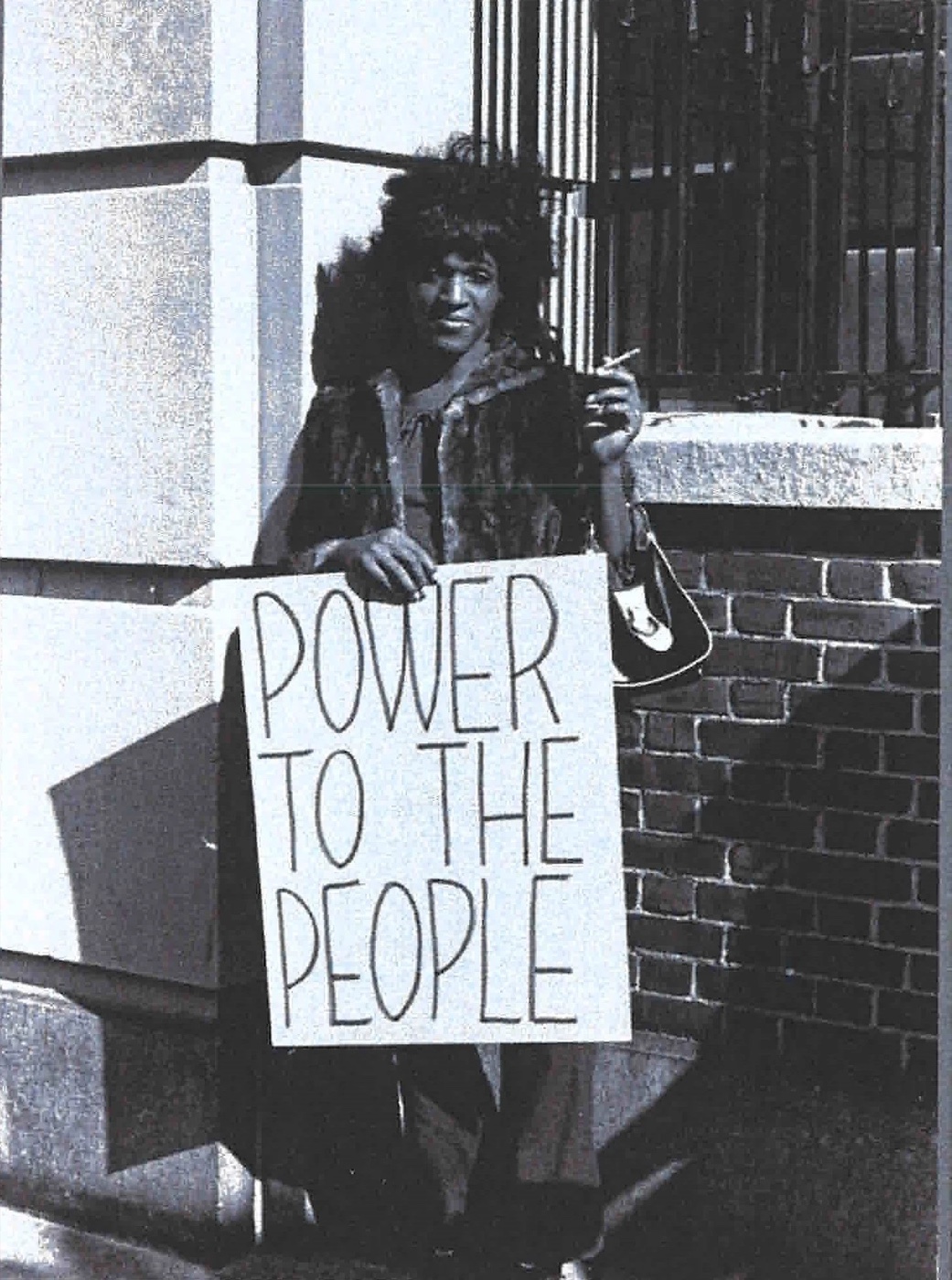
A year later, together with Sylvia Rivera, Marsha founded STAR, an organisation that did something very simple and almost impossible: it rented a house and took in homeless kids who had been thrown out of their own homes for being who they were. At the same time Marsha herself often had no home. She worked the streets. She lived on the edge. And she gave away whatever she had left. In the neighbourhood they called her “the saint of Christopher Street.”
Andy Warhol photographed her and hung her in a gallery. She posed, she smiled, and went back to the street. In the last years of her life, already ill, she cared for people dying of AIDS, in a city that then preferred not to look at them.
The river
Only days after the 1992 Pride march, her body was pulled from the Hudson River. She was 46. The case was ruled a suicide and closed within days. In 2012 it was reopened, now as a possible murder. To this day it remains unsolved. No one was ever held to account.
Only 34 years ago. In the largest city of the freest country in the world.
In 2020 a park in Brooklyn took her name. Between the river that took her and the park that carries her name stand twenty-eight years of silence.
Why this song
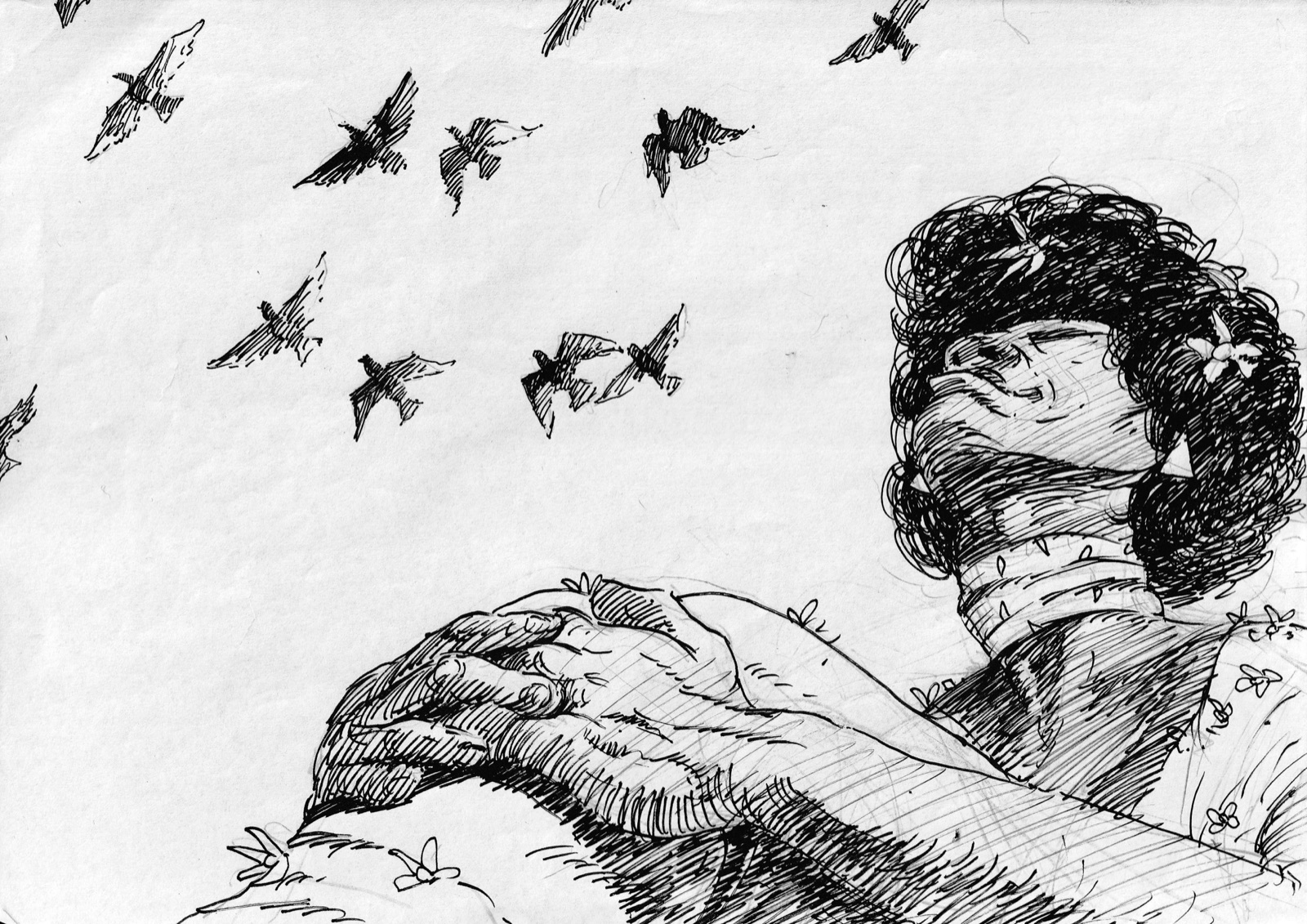
It came to me from a photograph, a woman with a crown of flowers, laughing with her whole face. She did not look like someone the world had denied almost everything. For a long time I couldn’t explain where that lightness came from. Then I understood: she wasn’t defending herself. She had simply refused to take part in the argument over whether she had the right to exist. “Pay it no mind.”
I looked further. On Netflix I found the documentary about her, The Death and Life of Marsha P. Johnson. I watched it, and the photograph became a voice.
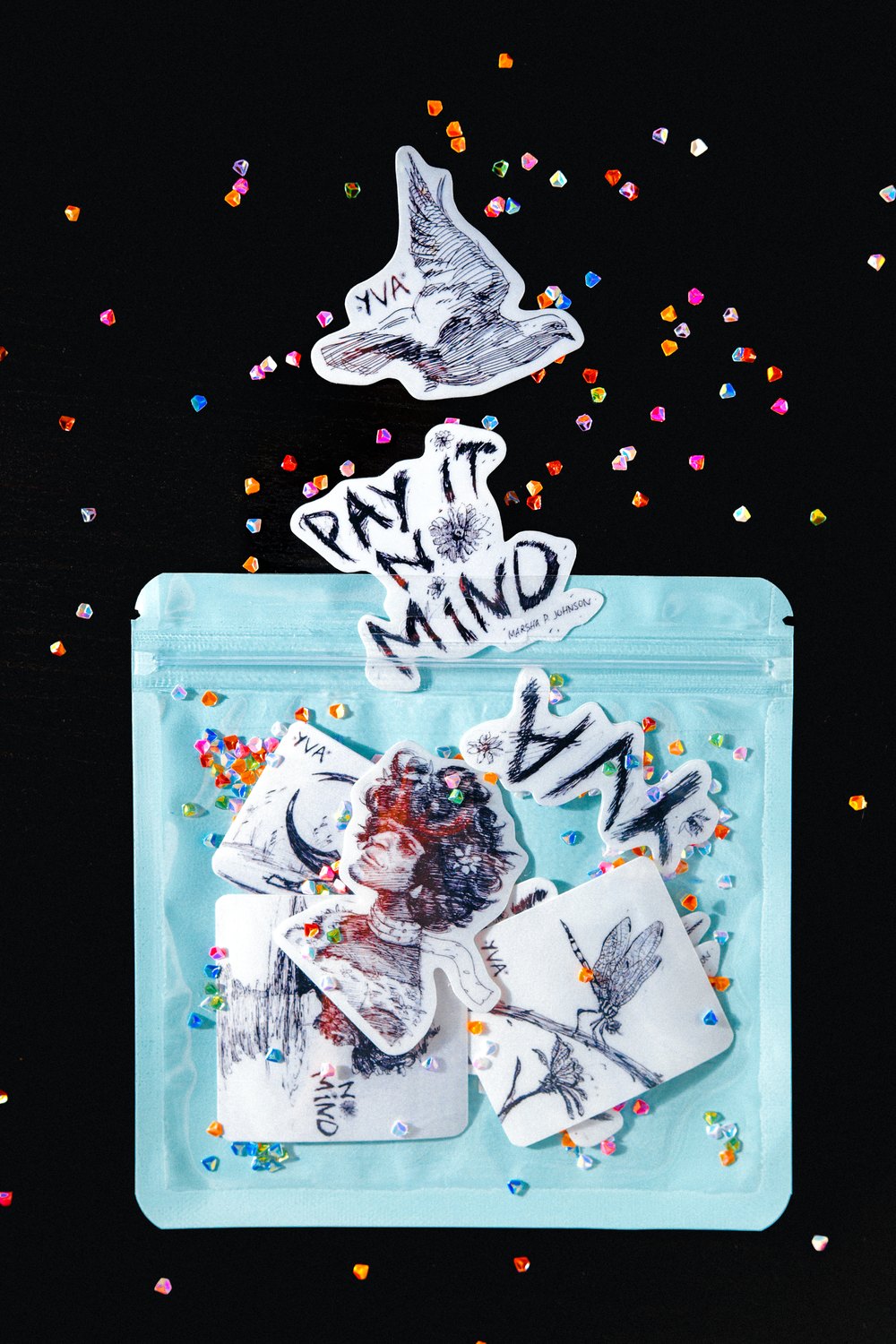
I named the song “Pay It No Mind,” the words she used to wave away anyone who doubted her right to exist. Because she herself was for a long time a footnote in someone else’s history. And she was not a footnote. She was the person who held the door open for others while her own stayed shut.
In the song one line returns like a wave, take me to the river. The same river that took her. But here the river no longer drowns; it carries away, brings back, remembers.
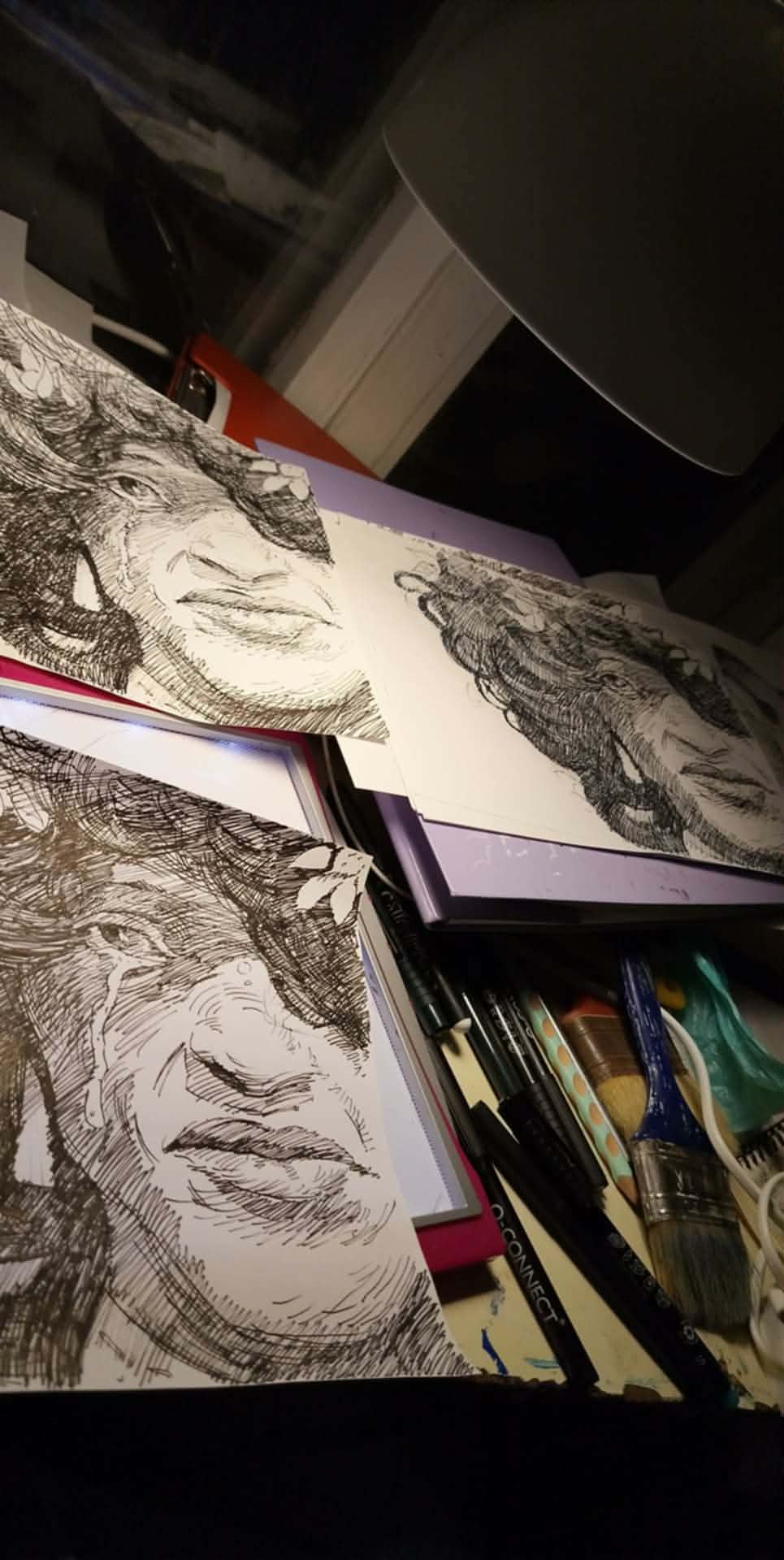
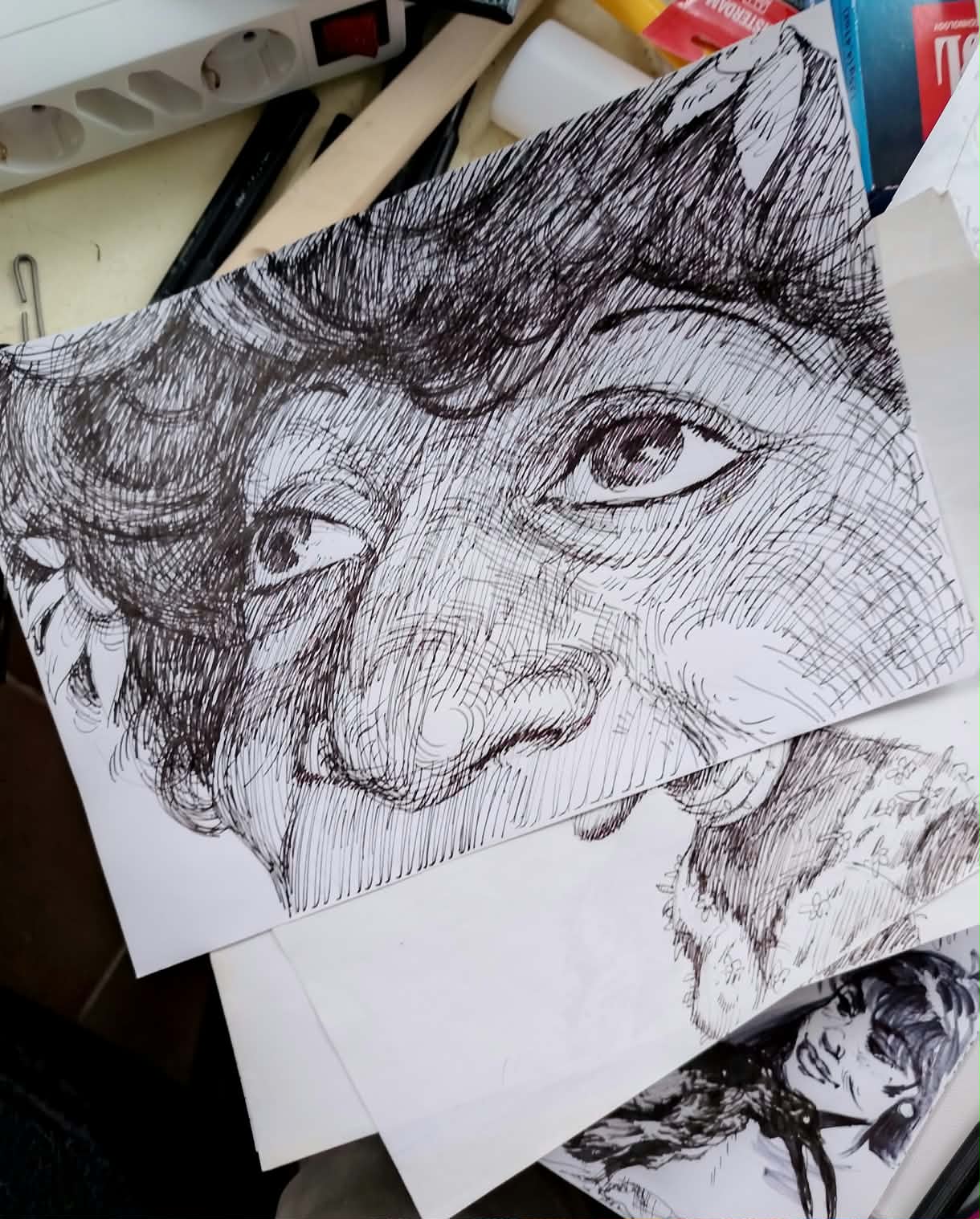
The video’s imagery was drawn entirely by hand by Antonio Stefanov, frame by frame, in ink, with a patience few possess. Nothing generated, nothing rushed: every line drawn by a human hand. The process took three years, three years in which a single face emerged slowly out of thousands of fine strokes.
24 August, her birthday. And the day the song comes out.
Illustrations: Antonio Stefanov · Animation: Vasil Bogdanov · Music and lyrics: YVA
One thought on “The Crown, the Brick and the River”
Comments are closed.